Look Back in Surprise/Rückblick und Staunen
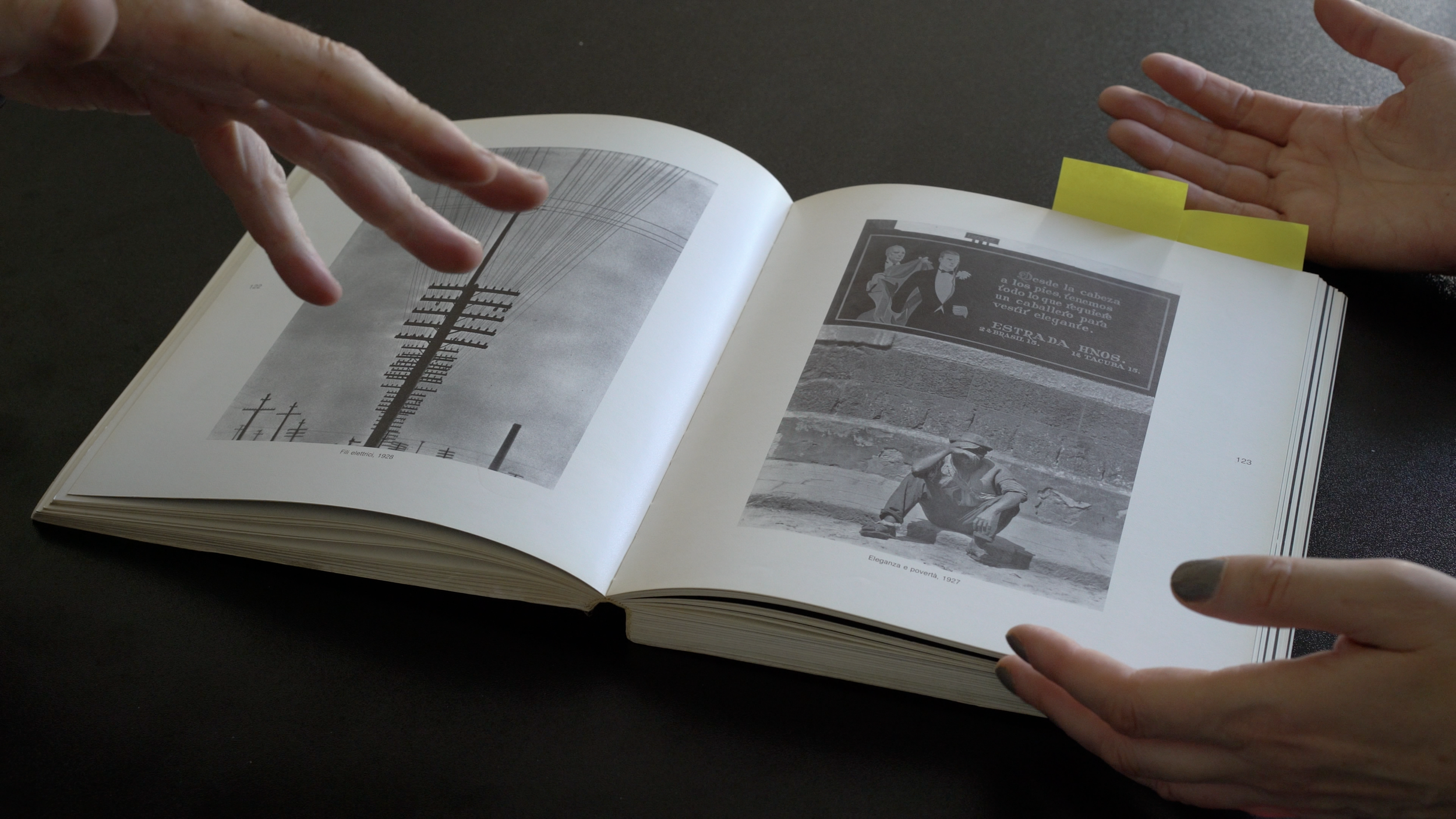
Yuri Kazepov talks with Alexa Färber about “Venezia 79. La Fotografia.” by Electa Editirce (1979). Vienna, May 27, 2026
“This exhibition provided me the broad perspective of photography. How exactly the same thing can be seen from very different perspectives.”
“Diese Ausstellung hat mir die breite Perspektive von Fotografie deutlich gemacht. Wie ein und dieselbe Sache aus sehr unterschiedlichen Blickwinkeln betrachtet werden kann.”
Photography means many things to urban sociologist Yuri Kazepov: He has been taking photographs for a long time and almost became a professional photographer. Photography is part of his research practice, and in his teaching, he uses photographs to create moments of surprise. In the catalog he selected, "Venezia 79. La Fotografia" (1979), it is above all the classics of social reportage and humanistic photography that can evoke these moments of amazement: An impoverished neighbourhod—from the 1960s? Childhood—did it exist 150 years ago? Above all, the photos of working children were intended to shake up at the time, and they remain disturbing from today’s perspective.
The publication explores various ways to address social difference: In addition to juxtaposing social positions on a double-page spread, there are images that capture social disparities within a single photograph, or that highlight the difference between the viewer and the subject of the image (whether poverty or wealth).
The catalog brings together these photographs, which were displayed at nearly 30 locations in Venice. But "Venezia 1979" was more than just an exhibition event. Over the course of three months, around 50 workshops took place, where emerging photographers could collaborate with professionals. One can imagine the creative atmosphere of photography, learning, and urban research. From his visit to the exhibition at the time, Yuri Kazepov not only brought back the catalogue but also a first impression of the stark contrasts between Venice’s picturesque cityscape and its precarious living conditions.
… the asymmetry in terms of power, in terms of wealth, in terms of health, in terms of social contacts, in terms of free time…
“Showing this to our students has a deep impact.”
Fotografie ist für den Stadtsoziologen Yuri Kazepov vieles auf einmal: Er selbst fotografiert seit langem und wäre fast professioneller Fotograf geworden, Fotografie ist Teil seiner forschenden Praxis und in der Lehre setzt er Fotografien ein, um Überraschungsmomente zu kreieren. In dem von ihm ausgewählten Katalog „Venezia 79. La Fotografia” (1979) sind es vor allem die Klassiker der Sozialreportage und humanistischen Fotografie, die diese Momente des Staunens hervorrufen können: Ein Armutsquartier – in den 1960er Jahren? Kindheit: Gab es das vor 150 Jahren? Vor allem die Fotos von arbeitenden Kindern sollten schon damals aufrütteln und sie erschüttern auch aus heutiger Perspektive.
Die Publikationen findet verschiedene Wege, soziale Differenz zu thematisieren: Neben der Gegenüberstellung von sozialen Positionen auf einer Doppelseite, gibt es Abbildungen, die soziale Unterschiede in einem Bild festhalten oder aber die Differenz zwischen Betrachtenden und Bildsujet (sei es Armut oder Reichtum) adressieren.
Der Katalog versammelt diese Fotografien, die an knapp 30 Orten in Venedig gezeigt wurden. Doch „Venezia 1979“ war mehr als eine Ausstellungsereignis. Innerhalb von drei Monaten haben circa 50 Workshops stattgefunden, an denen angehende Fotograf:innen mit Profis zusammenarbeiten konnten. Die kreative Atmosphäre von Fotografie, Lernen und Stadterforschen lässt sich erahnen. Yuri Kazepov hat vom damaligen Ausstellungsbesuch nicht nur den Katalog mitgebracht, sondern auch einen ersten Eindruck von den scharfen Gegensätzen zwischen pittoreskem Stadtbild und prekären Lebensverhältnissen.
“… die Asymmetrie in Bezug auf Macht, in Bezug auf Reichtum, in Bezug auf Gesundheit, in Bezug auf soziale Kontakte, in Bezug auf Freizeit …”
“Wenn wir das unseren Studierenden zeigen, hat das eine starke Wirkung.”
“Becoming aware of inequalities and how they are played out in space.”
“Sich der Ungleichheiten bewusst werden und, wie sie sich im Raum ausdruck verschaffen.”
“I experienced the sharp contrast of people living there in bad housing, essentially, except for rich people.”
“Ich habe den scharfen Kontrast erlebt: Menschen, die dort im Grunde alle unter schlechten Wohnbedingungen leben – außer den Reichen.”
More from the chapter “Urban Inequalities / Über urbane Ungleichheiten”
Check out the other chapters
In dieser zweiten Sammlung an Gesprächen geht es um die Frage, wie wir als Stadtforschende mit Stadt-Fotobüchern arbeiten: Dienen diese Bücher als Quellen für Fotografien, um die eigene Recherche bspw. historisch zu vertiefen? Wenn die Fotografien im Vordergrund stehen, wie lösen wir sie aus dem Kontext der Bücher heraus? Liefern Stadt-Fotobücher thematische oder methodologische Inspirationen oder werden sie zur Referenz für das eigene forschende Vorgehen?