Claiming Walls/Wände aneignen
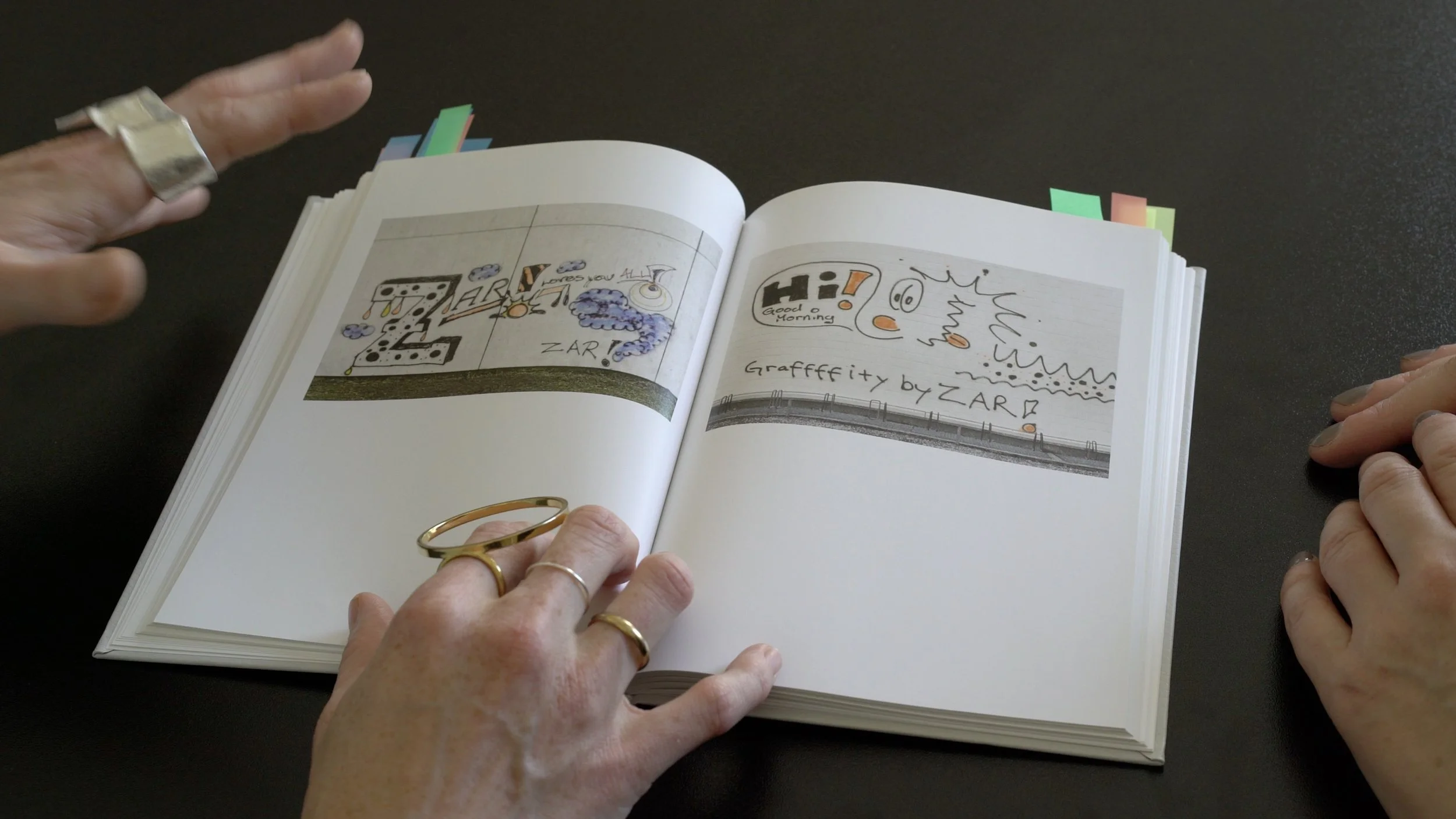
Josefa Stiegler talks with Alexa Färber about “ZAR ZIP FLY ZORO: The First Wave of Graffiti in Munich” by Klick Klack Publishing (2018). Vienna, May 27, 2026
“Es ist spannend, dass der Schauplatz München ist. Weil Graffiti so mit Hip Hop und Schwarzer Kultur in den USA zusammengehören.”
"It's exciting that the setting is Munich. Because graffiti is so closely connected to hip-hop and Black culture in the US."
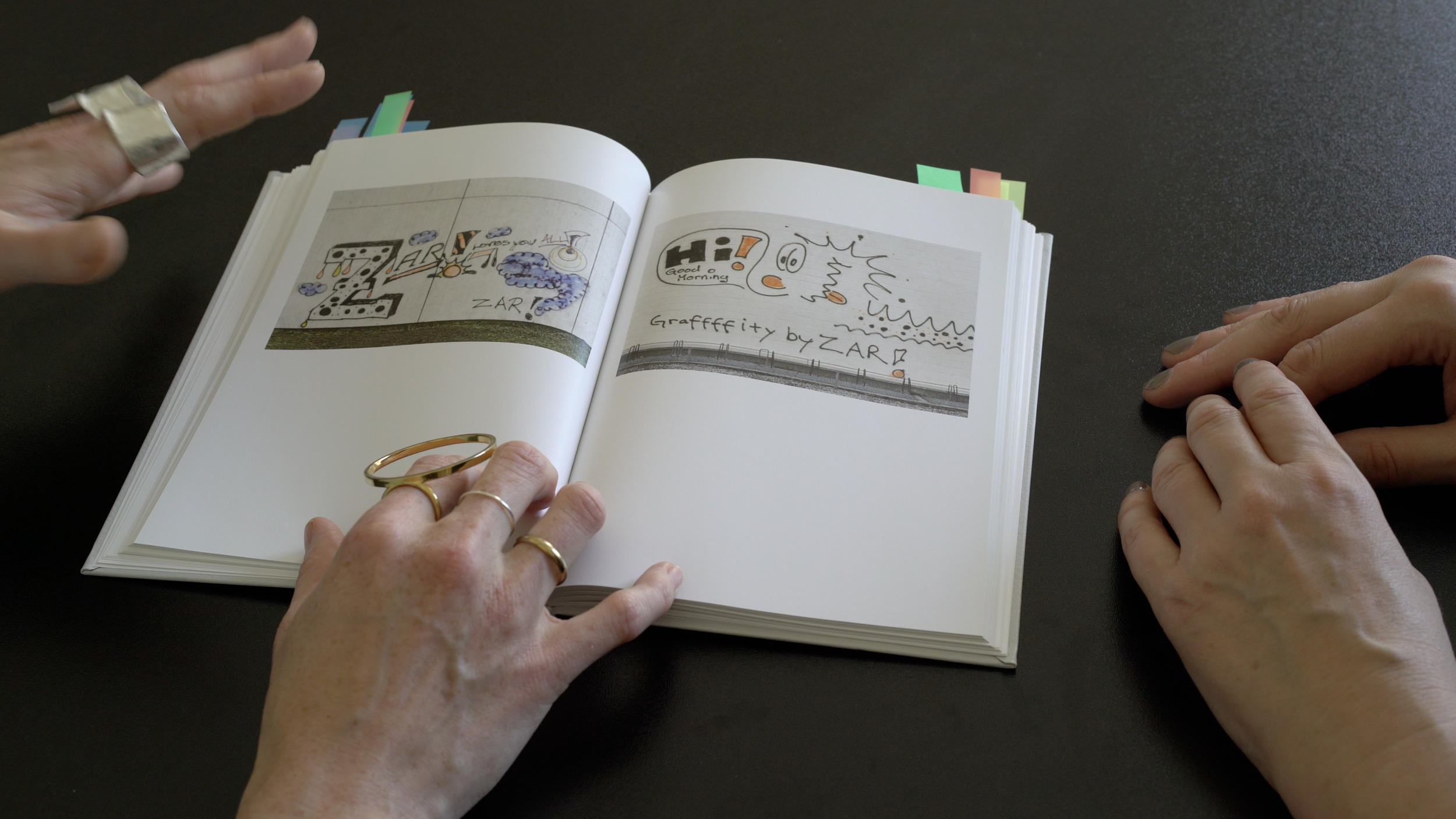
Die Publikation “ZAR ZIP FLY ZORO. Die erste Schicht Graffiti in München“ von Klick Klack Publishing (2018) spielt mit Gegensätzen: ein undurchdringlicher Titel im nüchternen Gewand eines Findbuchs; der subversive Sound der Sprühdose als Verlagsname und die ästhetische Anmutung von Notizfotos in einem Karteikasten; oder auch nur die Spannung zwischen einem oberflächlichen Münchenstereotyp als „Sauberstadt“ und subversivem Graffiti, das durch (möglicherweise ebenso oberflächliche) Verweise auf Ostküsten-HipHop das Gegenteil beweisen will.
Die Stadtforscherin Josefa Stiegler kennt die politische Kraft von Graffiti aus ihrer Forschung in Rio de Janeiro. Dort, wo junge Männer in den Armutsvierteln durch Polizeigewalt sterben, werde ihre Namen und Porträts auf die Wände gesprüht, um an sie zu erinnern und gegen Diskriminierung zu protestieren.
Welche Anliegen verfolgten die in ZAR ZIP FLY ZORO – wie sich beim Durchblättern zeigt sind dies Namen von Tags – versammelten ersten Graffiti im München der 1980er Jahre? Eine Faszination für us-amerikanische populäre Kultur ist in den expliziten Ortsbezügen („South Bronx“) und Silhouetten von MC eindeutig zuerkennen. Und München? Die nüchternen Fotografien, auf denen immer nur so viel städtischer Kontext zu sehen ist, dass sie kaum lokalisierbar wären, haben der Strafverteidiger Konrad Kittel und der Kulturwissenschaftler Peter Kreutzer gemacht und archiviert. Das Buch zeugt von dem kulturellen Gespür für den aufregenden Unterschied, den diese globalisierte urbane Populärkultur in München signalisiert hat.
“Ein Reinzoomen in eine sehr kurze Zeit und ein historisches Dokument.”
“Diese relativ triste, graue, eintönige Kulisse wird einfach ein bisschen durchbrochen mit dieser Ausdrucksform.”
The publication “ZAR ZIP FLY ZORO. Die erste Schicht Graffiti in München” by Klick Klack Publishing (2018) plays with contrasts: an impenetrable title in the sober guise of a finding aid; the subversive sound of the spray can as the publisher’s name and the aesthetic appearance of snapshot photos in a card index. Or simply the tension between the superficial Munich stereotype as a “clean city” and subversive graffiti, which, through (possibly equally superficial) references to East Coast hip-hop, seeks to prove the opposite.
Urban researcher Josefa Stiegler knows the political power of graffiti from her work in Rio de Janeiro. There, where young men in poor neighborhoods die from police violence, their names and portraits are sprayed on walls to remember them and protest against discrimination.
What concerns motivated the earliest graffiti in 1980s Munich, assembled in ZAR ZIP FLY ZORO—the title itself comprising tag names, as a quick flip-through shows? A fascination with US-American popular culture is clearly evident in the explicit references to places like the “South Bronx” and the silhouettes of MCs. And Munich? The sober photographs, which show just enough urban context to make them barely locatable, were taken and archived by criminal defense lawyer Konrad Kittel and cultural scholar Peter Kreutzer. The book testifies to a cultural intuition for the exciting difference that this globalized urban pop culture signaled in Munich.
“A zoom-in on a very short period and a historical document.”
"This relatively dreary, gray, monotonous backdrop is simply broken up a bit by this form of expression."
"We're here" kann man auch als politisches Statement lesen.
“We're here” can also be interpreted as a political statement.”
“An die Person denkt jemand. Und es ist nicht nur eine Zahl in der Statistik, sondern eben eine Person mit Lebensträumen und Familie und Freunden, die vermisst wird.”
“Someone is thinking of that person. And it's not just a number in a statistic—it's a person with dreams for the future, a family, and friends who are missing them.”
More from the chapter “Urban Inequalities / Über urbane Ungleichheiten”
Check out the other chapters
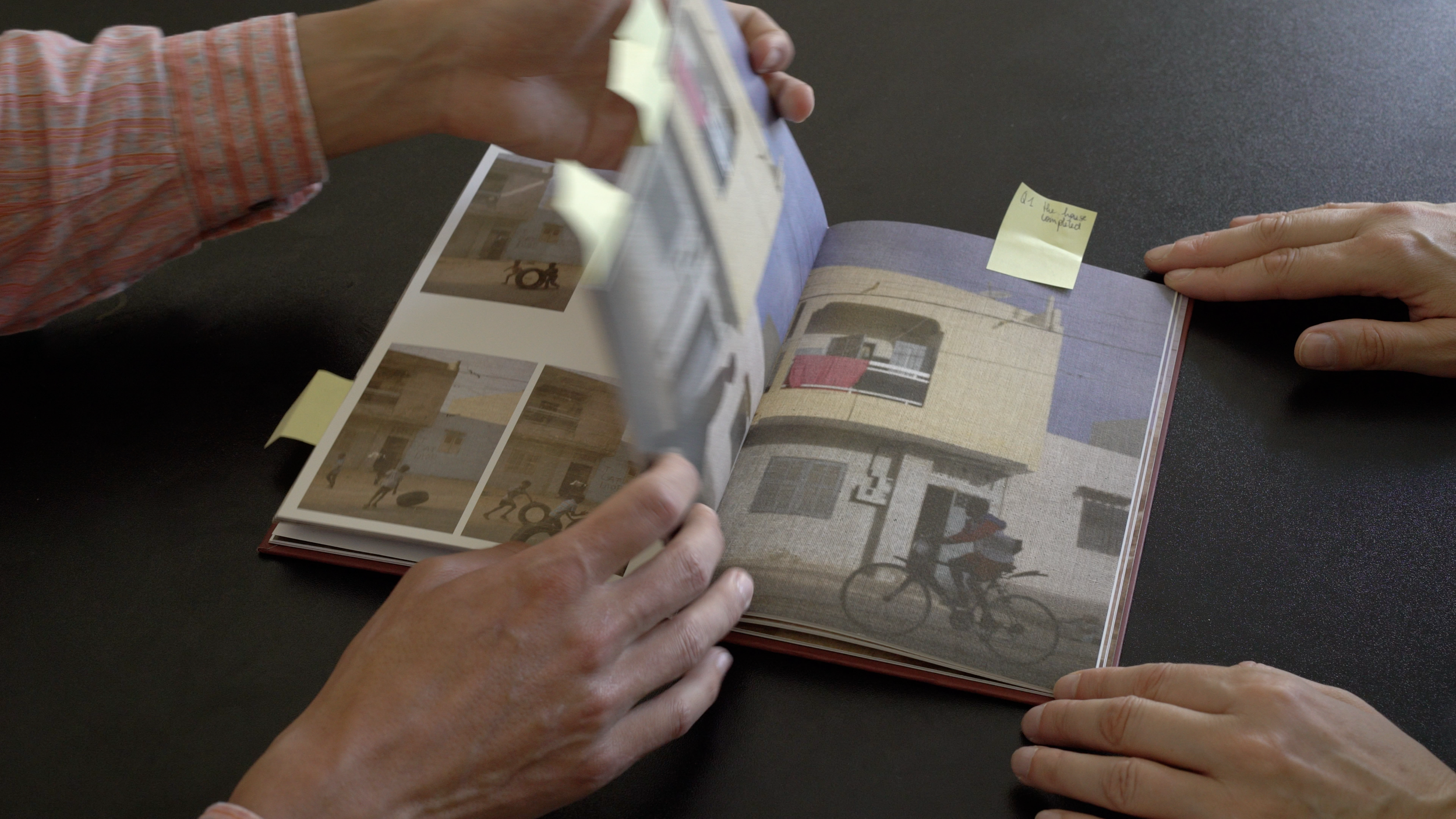
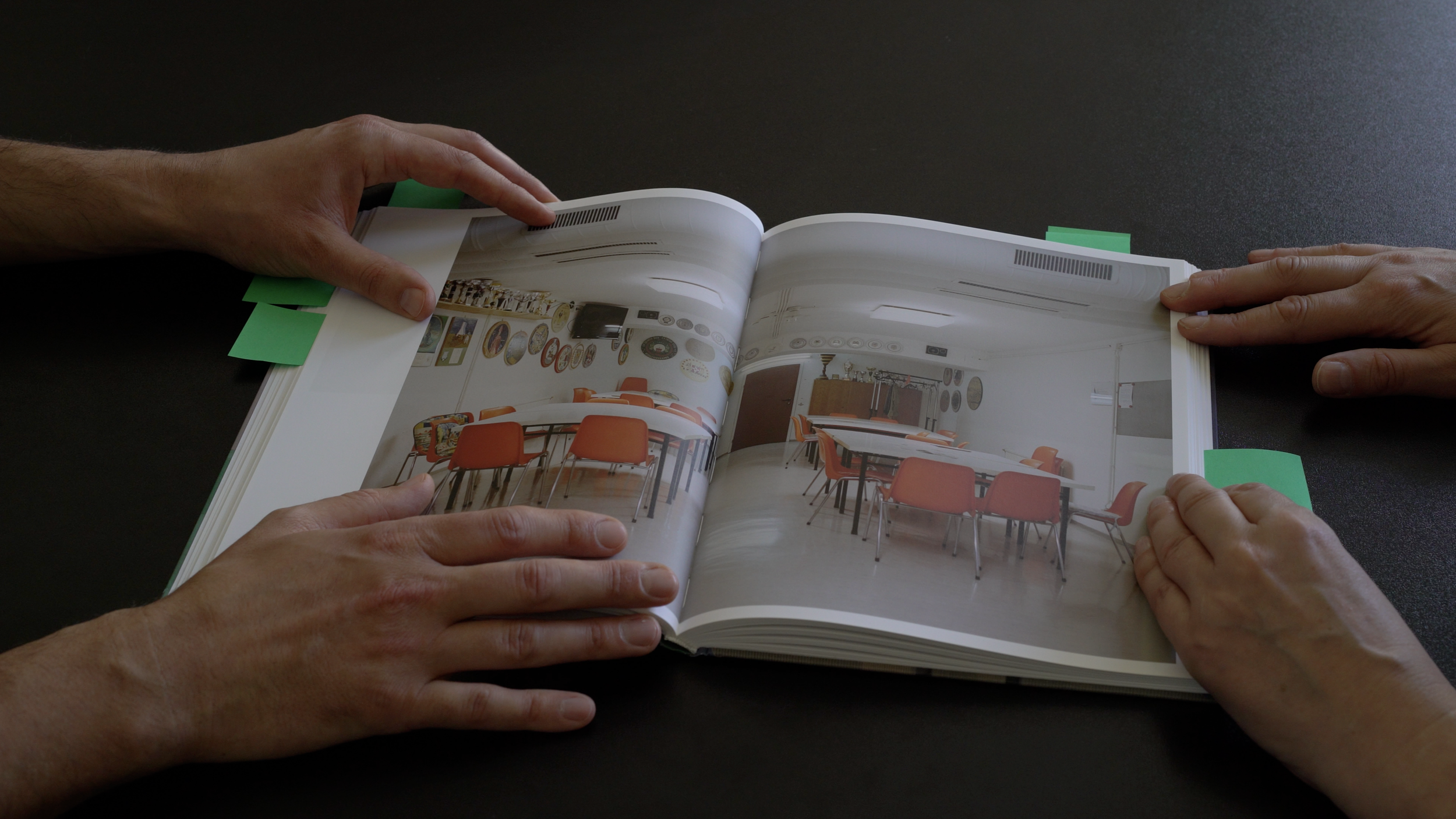
In dieser zweiten Sammlung an Gesprächen geht es um die Frage, wie wir als Stadtforschende mit Stadt-Fotobüchern arbeiten: Dienen diese Bücher als Quellen für Fotografien, um die eigene Recherche bspw. historisch zu vertiefen? Wenn die Fotografien im Vordergrund stehen, wie lösen wir sie aus dem Kontext der Bücher heraus? Liefern Stadt-Fotobücher thematische oder methodologische Inspirationen oder werden sie zur Referenz für das eigene forschende Vorgehen?